
What you reading
Real estate website design in Dubai requires advanced features and strategic UX to generate high-value leads.
For a quick overview:
- Basic real estate websites → from €1,200
- Listing-based platforms with filters → €2,500 – €6,000
- Advanced real estate platforms (CRM + automation) → €7,000
In Dubai’s competitive real estate market, a website is not just a showcase — it is a lead generation system. This is why real estate website design Dubai projects are more complex compared to standard business websites. They must support property listings, advanced search filters, user behavior tracking, and integration with CRM systems.
Buyers and investors in Dubai expect fast, structured, and data-rich experiences. They want to browse properties, filter results, compare options, and contact agents instantly. A poorly designed website leads to lost opportunities, while a well-optimized platform can generate consistent high-value leads.
This makes real estate website design Dubai a critical investment for agencies, brokers, and developers aiming to scale their business and compete effectively in the UAE market.
Key features (listing, filters, CRM, maps)
A high-performing real estate website in Dubai is defined by its features. Unlike standard websites, real estate platforms must handle large amounts of dynamic data while providing a seamless user experience. These features are essential not only for usability but also for lead generation and conversion.
One of the most important components is the property listing system. This allows agencies to display multiple properties with detailed information such as price, location, size, images, and availability. Listings must be structured in a way that is easy to browse and update, often using CMS platforms like WordPress with custom post types or dedicated real estate systems.
Advanced search and filtering capabilities are equally critical. Users in Dubai’s real estate market often search based on specific criteria such as location, price range, property type, and amenities. A powerful filtering system allows users to quickly find relevant properties, improving user experience and increasing engagement.
Map integration is another key feature. Displaying properties on an interactive map helps users understand location context, nearby facilities, and neighborhood value. In a city like Dubai, where location plays a major role in property decisions, this feature significantly enhances usability.

Buyer behavior in Dubai real estate market
Understanding buyer behavior is one of the most important factors in building a successful real estate website in Dubai. Unlike many other markets, Dubai attracts a diverse mix of local buyers, international investors, and short-term property seekers. Each of these segments has different expectations, decision-making processes, and search behaviors. A website that does not align with these behaviors will struggle to generate qualified leads, regardless of how well it is designed.
One of the defining characteristics of buyers in Dubai is their reliance on online research before making any decision. Most users start their journey by browsing multiple properties, comparing prices, and evaluating locations. This means that a real estate website must provide detailed, structured, and easily accessible information. Users expect to see high-quality images, clear pricing, and comprehensive property details without needing to contact an agent immediately.
Speed and convenience are also critical. Buyers in Dubai often browse properties on mobile devices and expect fast-loading pages and intuitive navigation. If a website is slow or difficult to use, users will quickly move to a competitor. This is especially important for paid traffic, where every click has a cost. A smooth user experience directly impacts engagement and conversion rates.
Another key behavior is the need for trust and credibility. Many buyers, particularly international investors, are cautious and require reassurance before engaging with an agency. They look for signals such as professional design, clear branding, testimonials, and verified listings. A real estate website that lacks these elements may struggle to convert visitors into leads, even if it attracts high traffic.
Filtering and personalization also play a major role in user behavior. Buyers rarely browse properties randomly — they have specific criteria such as budget, location, property type, and amenities. Websites that allow users to quickly filter and refine their search create a better experience and increase the likelihood of engagement. This is why advanced filtering systems are essential in real estate website design Dubai projects.
Another important aspect is the decision-making timeline. Some buyers are ready to act quickly, especially in fast-moving segments of the Dubai market, while others take more time to research and compare options. A well-designed website should cater to both types of users by providing quick contact options for immediate leads and detailed content for those still in the research phase.
From an SEO and GEO perspective, understanding buyer behavior also helps in structuring content effectively. Pages should be optimized around how users search, including location-based queries, property types, and investment-related keywords. This improves visibility and ensures that the website attracts the right audience.
Ultimately, real estate website design Dubai is not just about features — it is about aligning the platform with how users think and behave. Businesses that understand their audience and design their website accordingly are more likely to attract qualified leads, build trust, and achieve higher conversion rates in Dubai’s competitive real estate market.
Common mistakes agencies make
Many real estate agencies in Dubai invest in website design but fail to achieve consistent lead generation due to common strategic and technical mistakes. In a highly competitive market where buyers have multiple options, even small inefficiencies can significantly reduce performance. Understanding these mistakes is essential for building a high-performing real estate website that converts traffic into qualified leads.
One of the most common mistakes is treating the website as a simple portfolio instead of a lead generation system. Many agencies focus on showcasing properties without structuring the website to guide users toward action. Without clear calls-to-action, optimized user flows, and lead capture mechanisms, visitors browse listings but leave without engaging. A real estate website in Dubai must be designed with conversion as the primary goal, not just presentation.
Another major issue is poor listing structure. Some websites display properties without proper categorization, filtering, or search functionality. This forces users to manually browse through multiple listings, which leads to frustration and higher bounce rates. In Dubai’s fast-paced real estate market, users expect to find relevant properties quickly. Without advanced filtering and organized data, the user experience suffers and leads are lost.
Lack of mobile optimization is another critical mistake. A large percentage of real estate traffic in Dubai comes from mobile devices, yet many websites are still not fully optimized for smaller screens. Slow loading times, difficult navigation, and poorly formatted content can significantly reduce engagement. Agencies that ignore mobile-first design risk losing a substantial portion of potential leads.
Another common problem is weak or missing integration with CRM systems. When users submit inquiries, the data should be captured, organized, and followed up efficiently. Without proper CRM integration, leads can be lost, delayed, or poorly managed. This directly impacts conversion rates and overall business performance.
Ignoring SEO is also a common mistake. Many agencies rely only on paid advertising and ignore organic search opportunities. Without SEO optimization, structured content, and proper indexing, the website fails to attract consistent traffic. In the long term, this increases marketing costs and reduces sustainability.
Trust and credibility issues also play a significant role. Websites that lack professional design, clear branding, or trust signals such as testimonials and verified listings struggle to convert visitors. Buyers in Dubai often evaluate multiple agencies before making contact, and a weak digital presence can lead to lost opportunities.
Another mistake is not using data to optimize. Agencies that do not track user behavior, conversion rates, and engagement metrics miss valuable insights. Without data-driven decisions, it becomes difficult to improve performance or identify areas for optimization. This results in stagnant growth and inefficient marketing efforts.
Finally, many agencies underestimate the importance of speed and performance. Slow websites not only create a poor user experience but also negatively impact search rankings. In a competitive market like Dubai, even small delays can lead users to switch to another website.
Ultimately, avoiding these mistakes is crucial for building a successful real estate website. Agencies that focus on structure, performance, SEO, and user experience are more likely to generate consistent leads and achieve better results. A well-designed website is not just a marketing tool — it is a core business asset that directly impacts growth in the Dubai real estate market.
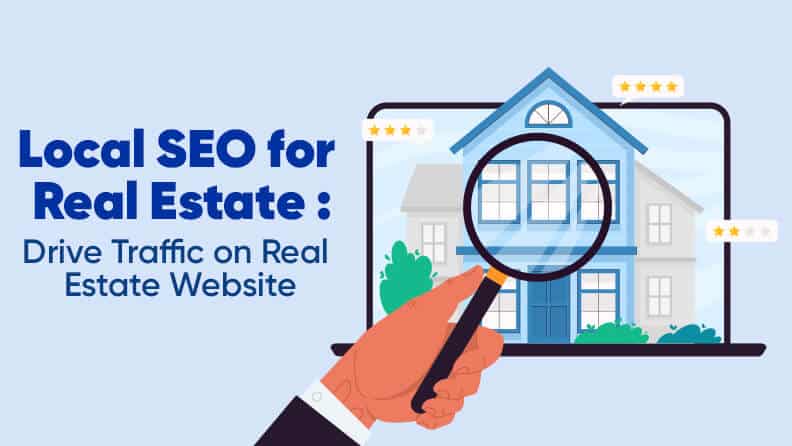
SEO for real estate websites in Dubai
SEO for real estate websites in Dubai is not just about ranking for generic keywords—it is about capturing high-intent users who are actively searching for properties, locations, and investment opportunities. A well-optimized real estate website can generate consistent, high-quality leads without relying entirely on paid ads, which is critical in a competitive market like the UAE.
At the core of SEO for real estate website design Dubai projects is search intent alignment. Users typically search using combinations of property type, location, and intent-based modifiers. For example, queries like “apartments for sale in Dubai Marina” or “buy villa in Palm Jumeirah” reflect strong commercial intent. Your website structure must be built around these patterns, with dedicated pages targeting specific locations, property types, and buyer intents.
Another essential factor is location-based SEO (Local + GEO signals). Dubai’s real estate market is highly segmented by areas such as Downtown Dubai, Dubai Marina, Business Bay, and Palm Jumeirah. Creating optimized landing pages for each location significantly improves visibility. These pages should include:
- Unique, non-duplicate content
- Area-specific insights (pricing trends, lifestyle, ROI potential)
- Internal links to relevant property listings
- Structured data to enhance search engine understanding
Content depth is also critical. Thin listing pages are no longer enough to rank. Google now favors entity-rich, informative content that provides real value. This means combining listings with supporting content such as buying guides, investment insights, and FAQs. For example, a page about “buying property in Dubai Marina” should not only show listings but also explain costs, legal steps, and investment benefits.
Technical SEO plays a major role as well. Real estate websites often contain thousands of listings, which can create crawl and indexation challenges. Proper use of:
- Canonical tags
- Clean URL structures
- XML sitemaps
- Pagination handling
is essential to ensure that search engines can efficiently crawl and index the website. Without this, even high-quality content may fail to rank.
Another important aspect is structured data (Schema). Implementing schema such as RealEstateListing, Product, FAQ, and Breadcrumb helps search engines better understand your content and increases the chances of appearing in rich results and AI-generated overviews. This is particularly important in 2026, where AI-driven search experiences prioritize structured and extractable content.
User experience (UX) is also tightly connected to SEO performance. Metrics such as bounce rate, time on site, and interaction signals influence rankings. Fast loading speeds, mobile optimization, and intuitive navigation are no longer optional—they are ranking factors. A real estate website that loads slowly or is difficult to navigate will struggle to compete, even with strong content.
Internal linking is another key element. A well-structured internal linking system distributes authority across the site and helps both users and search engines navigate content efficiently. For example, linking from a location page to relevant listings, blog content, and service pages creates a strong topical network.
Finally, consistency is what builds long-term authority. Publishing regular, high-quality content related to real estate in Dubai—such as market trends, investment guides, and area comparisons—signals to Google that your website is a reliable source within this niche.
In summary, SEO for real estate websites in Dubai is a combination of intent targeting, location-based structure, technical optimization, and content depth. Agencies that invest in a comprehensive SEO strategy can achieve sustainable growth, reduce reliance on paid channels, and position themselves as authorities in Dubai’s competitive real estate market.

High-converting UX patterns for real estate websites
High-converting UX in real estate website design Dubai is not just about aesthetics—it is about guiding users from discovery to action with minimal friction. In a market where users compare multiple agencies and listings within minutes, the structure and behavior of your interface directly impact lead generation. A well-designed UX can significantly increase inquiries, while a poor one can waste even high-quality traffic.
One of the most important UX patterns is clear and immediate value presentation. When users land on a page, they should instantly understand what is offered and how it matches their intent. This means using strong headlines, relevant property highlights, and visible location context. For example, if a user searches for properties in Dubai Marina, the page should immediately reflect that with clear messaging and relevant listings above the fold.
Another critical pattern is sticky and accessible call-to-action (CTA). High-converting real estate websites do not rely on a single contact button. Instead, they use multiple CTA placements such as:
- Sticky “Request Details” or “Book Viewing” buttons
- Inline contact forms within listings
- Quick WhatsApp or call buttons for mobile users
This ensures that users can take action at any point without friction. In Dubai’s fast-moving market, reducing the number of steps between interest and contact is essential.
Advanced filtering and search usability is another key factor. Users expect to refine their search quickly based on criteria such as price, location, property type, and number of bedrooms. A well-designed filtering system should be fast, intuitive, and responsive. Poor filtering UX leads to frustration and drop-offs, especially for users with specific requirements.
Visual hierarchy also plays a major role. High-performing real estate websites use structured layouts that prioritize important elements such as property images, price, and key features. Large, high-quality images combined with concise information blocks help users scan listings quickly. Overloading the page with unnecessary details can reduce clarity and slow down decision-making.
Trust-building UX elements are equally important. Buyers, especially international investors, need reassurance before making contact. Effective UX patterns include:
- Verified badges for listings
- Client testimonials and reviews
- Clear company branding and contact information
- Transparent pricing or “starting from” indicators
These elements reduce uncertainty and increase the likelihood of conversion.
Another powerful pattern is progressive disclosure. Instead of overwhelming users with too much information at once, high-converting websites reveal details gradually. For example, a listing preview may show key highlights, while full details are available upon interaction. This keeps the interface clean while still providing depth for interested users.
Mobile-first UX is no longer optional. A significant portion of real estate traffic in Dubai comes from mobile devices, so every interaction must be optimized for smaller screens. This includes fast loading times, touch-friendly buttons, and simplified navigation. Mobile users are often more action-oriented, so quick contact options such as WhatsApp integration can dramatically improve conversion rates.
Performance optimization is also part of UX. Slow-loading pages disrupt the user journey and increase bounce rates. Techniques such as image optimization, caching, and efficient code structure ensure a smooth experience even with large property databases.
Finally, data-driven UX optimization is what separates average websites from high-performing ones. Tracking user behavior, analyzing heatmaps, and testing different layouts or CTAs allow continuous improvement. UX should not be static—it should evolve based on real user interactions.
In summary, high-converting UX patterns for real estate websites in Dubai focus on clarity, speed, trust, and ease of action. Businesses that implement these patterns can significantly improve lead quality, reduce drop-offs, and maximize the return on their digital investment.
What to look for in a real estate website design provider in Dubai
Choosing the right provider for real estate website design in Dubai is a critical decision that directly impacts lead generation, brand perception, and long-term growth. Not all agencies are equipped to handle the complexity of real estate platforms, especially in a competitive and fast-moving market like the UAE. Businesses that select a provider based only on price often face limitations in performance, scalability, and SEO.
The first and most important factor is industry-specific experience. A provider who has worked with real estate businesses understands the structure required for listings, filtering systems, CRM integrations, and user behavior. Real estate websites are fundamentally different from standard corporate or portfolio sites. They require dynamic data handling, advanced search functionality, and conversion-focused design tailored to property buyers and investors.
Another key factor is SEO and GEO capability from the ground up. Many providers treat SEO as an add-on, but in reality, it must be integrated into the architecture of the website. This includes:
- Proper URL structure for location and property pages
- Internal linking strategy between listings, areas, and content
- Schema implementation for listings and FAQs
- Optimized page speed and mobile performance
Without these elements, even a visually appealing website may struggle to rank and generate organic traffic.
Scalability and flexibility are also essential. Real estate businesses often grow their inventory and expand into new areas or property types. The website must be built on a system that can scale without performance issues. CMS platforms like WordPress (with custom development) or headless architectures can provide flexibility, but the key is how well the provider structures the backend and database.
Integration capabilities should not be overlooked. A high-performing real estate website in Dubai should seamlessly integrate with:
- CRM systems for lead management
- Property listing APIs or internal databases
- Marketing tools such as email automation and analytics
- Communication channels like WhatsApp or live chat
A provider who cannot handle these integrations will limit the effectiveness of the website as a business tool.
Another important consideration is UX and conversion expertise. The provider should demonstrate a clear understanding of how to design user flows that convert visitors into leads. This includes CTA placement, form optimization, mobile usability, and trust-building elements. Reviewing previous projects and case studies can help evaluate whether the provider focuses on performance or just visual design.
Performance and technical optimization should also be a priority. Real estate websites often contain large volumes of images and data, which can impact loading speed. A professional provider will implement optimization techniques such as lazy loading, caching, and efficient code structures to maintain fast performance across devices.
Transparency and communication are equally important. A reliable provider will clearly explain the scope of work, timelines, and pricing structure. They should also provide ongoing support options, as real estate websites require continuous updates and improvements. Lack of communication or unclear deliverables can lead to delays and unmet expectations.
Finally, consider the provider’s approach to long-term partnership rather than one-time delivery. A website is not a static product—it evolves with market trends, user behavior, and business goals. Providers who offer ongoing optimization, SEO support, and performance monitoring can deliver significantly more value over time.
In summary, selecting a real estate website design provider in Dubai should be based on experience, technical capability, SEO integration, and conversion focus. Businesses that invest in the right partner can build a scalable, high-performing platform that consistently generates qualified leads and supports long-term growth.
If you’re serious about generating consistent, high-quality leads in Dubai’s competitive real estate market, your website needs to be more than just a listing platform—it must be a conversion-driven system.
At HoccoTech, we design real estate websites that combine:
- Advanced listing architecture + smart filtering
- SEO + GEO optimized structure for Dubai market
- High-performance UX built for lead generation
- CRM and automation integration for scalable growth
Whether you are launching a new agency or upgrading an existing platform, we help you build a system that not only looks professional—but actually converts.
👉 Explore our main service:
👉 Or understand pricing: